

The Smart Tonnage Solution: Mastering Production with 16-Ton to 80-Ton Injection Molding Machines
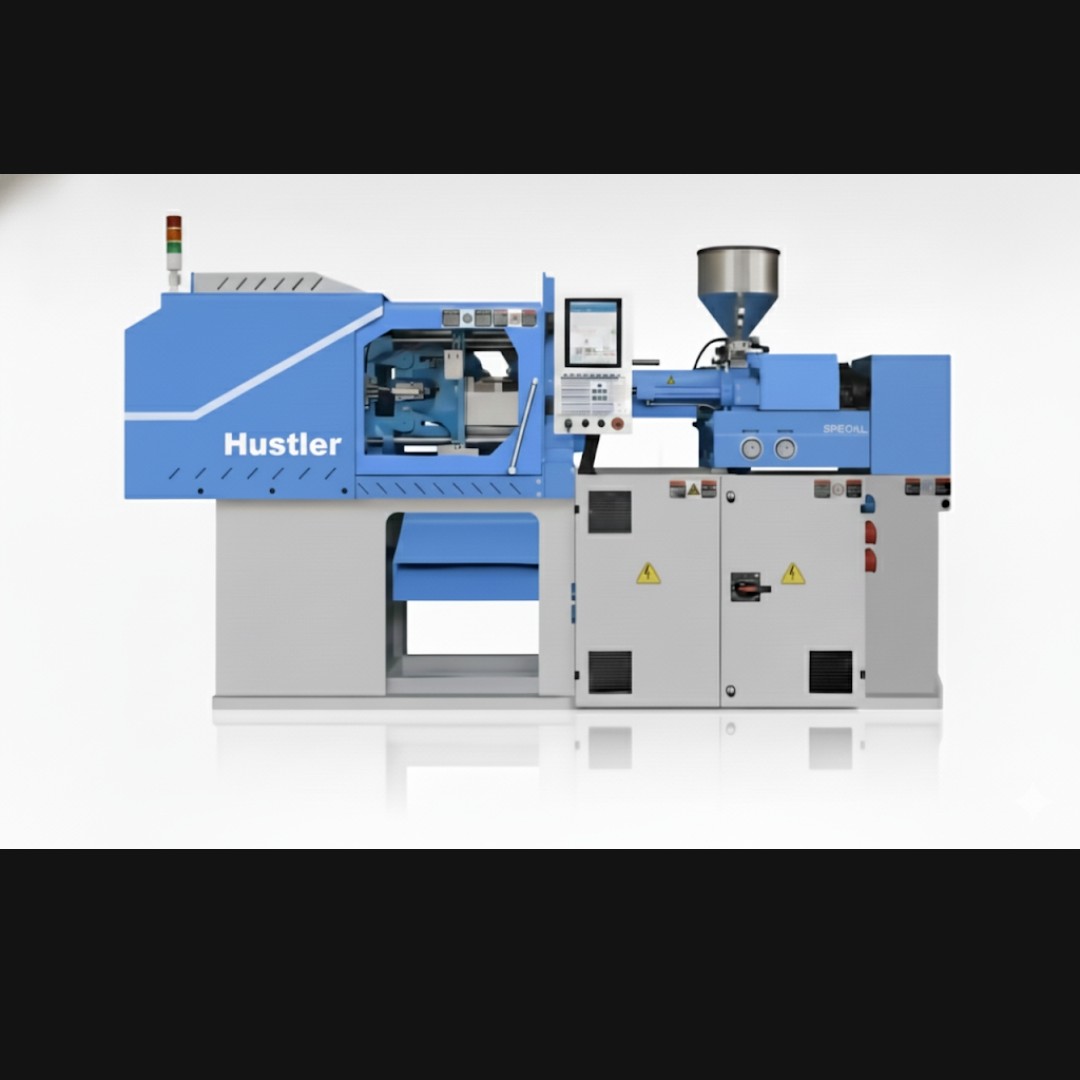
If you are currently running small to medium-sized tooling on a massive machine, you are effectively burning cash in three areas: wasted energy, slower cycle times, and unnecessary maintenance complexity. It's an issue of optimization, and the solution lies in embracing the power of the mini injection molding machine, specifically in the versatile 16 Ton to 80 Ton clamping force range.
These are not just small machines; they are precision instruments built for the modern manufacturer who prioritizes agility, efficiency, and cost control.
I. Why This Tonnage Range is Your Sweet Spot
The 16T to 80T segment is the definitive choice for high-precision, high-mix manufacturing where consistency is king.
- Financial Sanity: The Energy Advantage: A core benefit of this range is energy efficiency. Modern servo-electric or all-electric machines in the 40T to 60T class draw significantly less power than larger hydraulic machines. They only use energy when motion is required, translating directly into drastically lower monthly utility bills—a tangible competitive edge.
- Zero Compromise on Quality: Smaller machines often mean shorter runners and smaller shot sizes, which leads to better control over material flow and temperature uniformity. For delicate parts like medical inserts, optical components, or electronic housings, the precision of a 16 Ton or 25 Ton machine is unmatched, ensuring virtually defect-free production runs.
- Maximizing Floor Space: Space is expensive. These compact units require a minimal footprint, allowing you to fit more production capacity into your existing facility or easily integrate them into R&D labs and cleanroom environments.
- 16T - 30T Micro-Molding: Very small parts, short shot sizes, prototyping, test molds. Medical (catheter hubs), Electronics (micro-connectors), Optics (lenses).
- 40T - 60T Precision Components: Medium-sized parts, high-volume consistency. Consumer Goods (cosmetic closures), Automotive (interior clips, sensor housings).
- 70T - 80T Mid-Size Workhorse: Parts requiring a slightly larger platen or higher projected area. Packaging (caps/lids), Appliances (small gear trains), Industrial components.
- III. Essential Features That Drive ROI
- When evaluating a potential machine in the 16T to 80T class, look beyond the tonnage and focus on these critical components that truly deliver long-term value:
- Tie-Bar Spacing (The Hidden Gem): Always verify the distance between the tie bars. A well-engineered 80 Ton machine will often offer platen sizes and tie-bar spacing comparable to an older 100-Ton model, giving you flexibility for a wider range of molds without the unnecessary energy overhead.
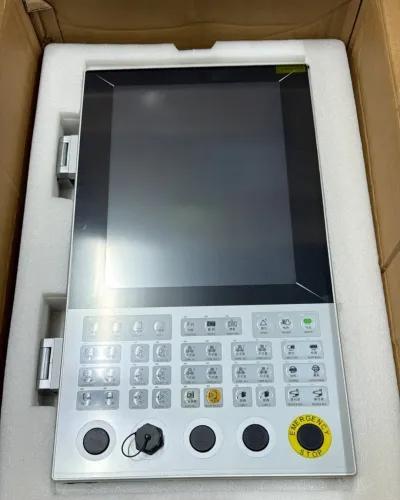
- Smart Control Interface (HMI): Look for a system with a modern, touch-screen HMI that offers quick recipe storage, real-time data logging, and an intuitive layout. An operator-friendly control reduces setup errors and speeds up changeovers significantly.
- Low-Pressure Mold Protection: This safety feature is critical. It ensures that the mold halves close gently until the final clamping pressure is applied, preventing expensive mold damage if a part or foreign object is accidentally left in the cavity. This is non-negotiable for protecting your tooling investment.
- Choosing a mini injection molding machine is a strategic decision that favors efficiency and precision over raw power. By matching the machine's true capability (16T to 80T) to your actual production needs, you unlock superior part quality and a clear path to lower operational costs.