

injection molding machine with a Techmation or Inovance servo system. Cut energy use by 50%+, reduce noise and oil heat. Get a quote.
• Convert fixed-pump hydraulic injection molding machines to servo-driven. Save 50–80% electricity, improve repeatability, payback in 6–18 months. Free energy audit.
• Techmation and Inovance servo retrofit kits for all tonnages (50T–3000T). Lower power bills, quieter operation, faster cycles. Talk to our engineers today.
servo retrofit, injection molding machine servo upgrade, servo energy saving system, Techmation servo, Inovance servo, hydraulic to servo conversion, injection molding power saving, servo pump retrofit, energy saving injection molding machine
Electricity is one of the biggest running costs in plastic injection molding. Older hydraulic machines with fixed-displacement pumps keep their motors running at full speed all through the cycle, even while the machine is cooling, waiting or holding pressure. A servo system retrofit replaces this wasteful behavior with a servo motor and drive that deliver only the oil flow and pressure the process needs, moment by moment.
Using proven brands such as Techmation and Inovance, an injection molding servo retrofit can reduce energy consumption by 50% or more on suitable machines, with savings of 60–80% reported in applications with long cooling times. You keep your existing machine, mold and process know-how, and you add modern servo control, lower noise and cooler oil.
What Is a Servo Retrofit for an Injection Molding Machine?
A servo retrofit (also called a servo energy saving system, servo pump upgrade, servo drive conversion or hydraulic-to-servo conversion) is the replacement or upgrade of the conventional hydraulic power unit of an injection molding machine with a servo motor-driven pump system.
A typical retrofit kit includes:
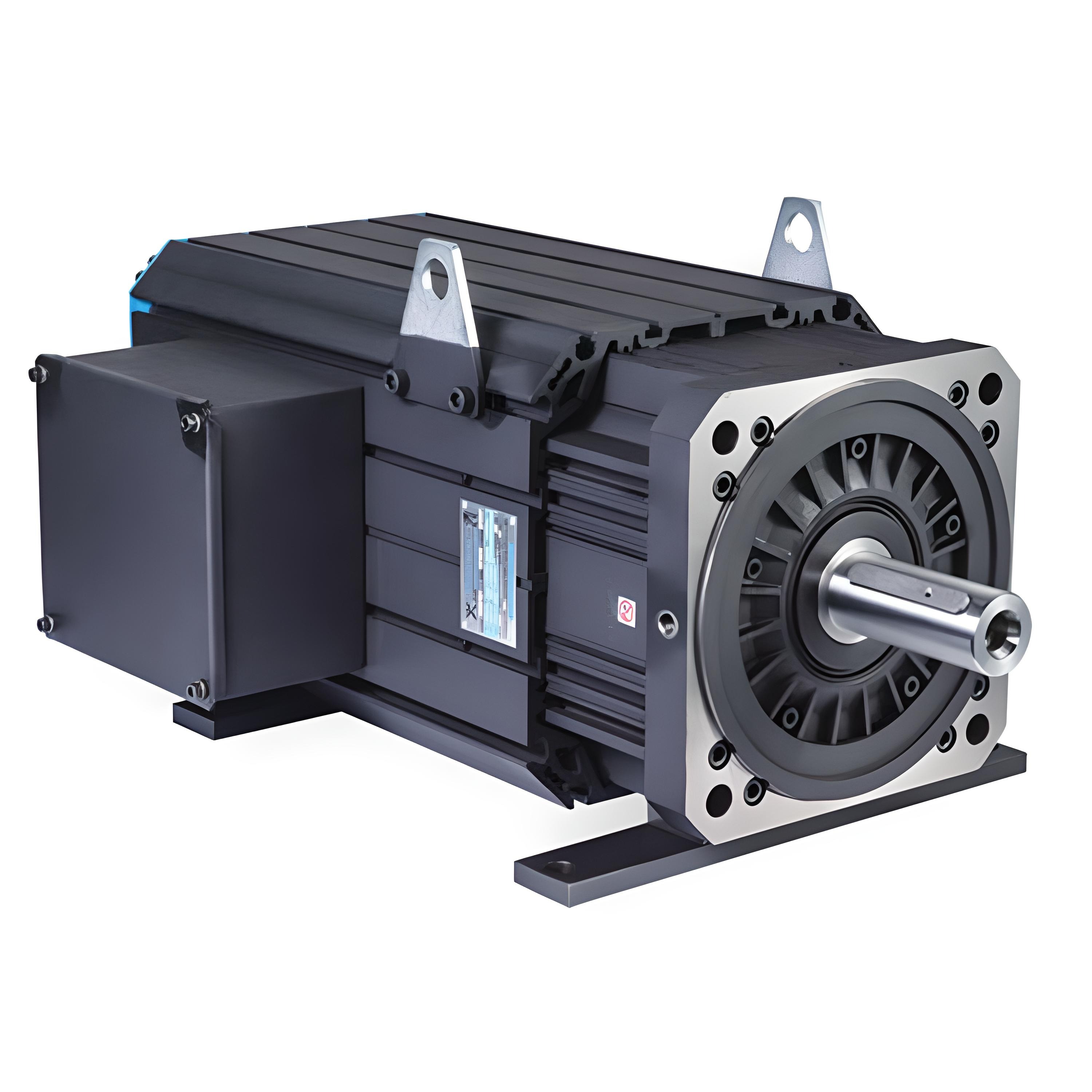
• A permanent magnet synchronous servo motor
• A servo drive (servo amplifier) with pressure and flow control
• A fixed-displacement hydraulic pump (often internal gear or vane type) matched to the motor
• Pressure sensor(s) and feedback devices
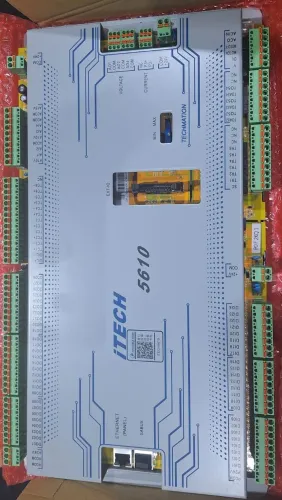
• A controller interface or controller upgrade (for example Techmation or equivalent)
• Wiring, mounting, brake resistors/energy handling and commissioning software settings
The servo drive varies motor speed in real time according to the machine's flow and pressure commands, so the pump spins fast only when oil is needed and slows or nearly stops when it is not.
How Much Energy Can a Servo Retrofit Save?
Energy savings depend on the product, cycle time, machine size and how the machine is currently run. As a general guide:
Application / Cycle Profile
Typical Energy Saving
Thin-wall, fast cycle, short cooling
30–45%
General-purpose parts, moderate cooling
45–65%
Thick-wall parts, long cooling and holding time
60–80%
Machines with old fixed pump and throttled flow
50–75%
Beyond the electricity meter, you also save indirectly: less oil heating means smaller chiller or cooling-water load, and lower noise means a better working environment.
Example calculation (illustrative): A 250-ton hydraulic machine with a 37 kW pump motor running 6, 000 hours a year may use around 100, 000 kWh for the hydraulic system. A 50% reduction saves 50, 000 kWh a year. At an electricity rate of ₹8 per kWh, that is about ₹4, 00, 000 saved annually. Replace these numbers with your own site data for an accurate estimate.
How Does a Servo Energy Saving System Work?
In a conventional machine, the motor and pump run at a constant speed. When the process needs less flow or pressure, excess oil is dumped through relief or proportional valves, turning electrical energy into heat.
In a servo-driven system:
1. The controller sends flow and pressure commands for each stage: clamping, injection, holding, plasticizing (screw recovery), ejection and core movement.
2. The servo drive converts these commands into motor speed and torque.
3. The motor drives the pump at exactly the speed needed, closed-loop with pressure feedback.
4. During cooling or idle time, the motor runs very slowly or stops, using almost no power.
5. The result: lower power consumption, less heat in the oil, and more stable pressure and flow.
This is why a servo retrofit improves both energy efficiency and molding repeatability.
Techmation vs Inovance Servo Systems
Both Techmation and Inovance are widely used in injection molding energy saving projects. The right choice depends on your machine, controller, budget and local service support.
Techmation Servo Retrofit
Techmation is well known in the injection molding industry for machine controllers and servo-related systems built specifically for plastic machinery. A Techmation-based retrofit is a strong choice when you want:
• A controller and servo solution designed for injection molding logic
• Smooth integration with injection, hold, clamp and ejector sequences
• Familiar operator interface for injection molding technicians
• Options to upgrade the controller along with the servo power system
Inovance Servo Retrofit
Inovance is a major industrial automation and servo drive manufacturer with a broad range of servo drives and motors used in injection molding energy saving systems. An Inovance-based retrofit is a strong choice when you want:
• Cost-effective, reliable servo drives and motors
• Wide power range from small to very large machines
• Fast response and high overload capacity suited to injection peaks
• Wide availability of spares and local technical support
We supply and commission both brands, and recommend based on your machine model, controller condition and budget.
Which Injection Molding Machines Can Be Retrofitted?
Servo retrofits work on most hydraulic injection molding machines, including:
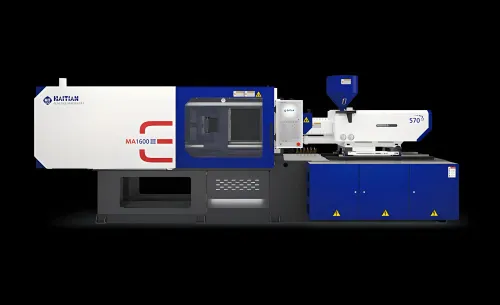
• Haitian, Chen Hsong, Jonwai, Toshiba, Nissei, Sumitomo, Engel, Arburg (hydraulic models), Milacron, Windsor, Ferromatik, Demag, Mitsubishi, Fanuc (hydraulic), Tederic, Yizumi, Borche, Fu Chun Shin, Victor and many others
• Machines from 50 tons to 3000 tons
• Fixed-pump (single or double pump) machines, and many variable-displacement machines
• Standard, two-platen and toggle-clamp machines
Best candidates are machines that:
• Run many hours per year
• Have long cooling or holding time
• Have old, inefficient motors or heavy oil heating
• Are mechanically sound and still have years of useful life
Benefits of Servo Retrofit Beyond Power Saving
• 50%+ lower electricity cost on the hydraulic system
• Lower oil temperature, so a longer life for oil, seals and hoses and less cooling-water use
• Reduced noise (often 10–20 dB lower), improving the work environment
• Better repeatability with closed-loop pressure and flow control
• Faster response and, on some molds, a shorter cycle time
• Lower maintenance due to less heat and less valve throttling
• Longer machine life without replacing the entire machine
• Lower carbon footprint, supporting sustainability and ESG goals
• Lower capital cost compared with buying a new machine
ROI and Payback Period
Most injection molding servo retrofit projects pay back within 6 to 18 months, depending on:
• Machine size and motor power
• Operating hours per year (single, double or triple shift)
• Local electricity tariff
• Cycle profile and cooling time
• Retrofit kit brand and scope (drive only vs full controller upgrade)
Simple payback formula: Payback (months) = Retrofit cost ÷ Monthly electricity savings
Ask us for a free energy audit and we will estimate your savings machine by machine.
Retrofit Process Step by Step
1. Energy audit: measure current kWh, cycle time and process data.
2. Machine and kit selection: match the servo motor, drive, pump and controller (Techmation or Inovance).
3. Quotation and ROI report: clear scope, price, expected savings and payback.
4. Installation: typically 1–3 days per machine depending on size, with minimal downtime.
5. Commissioning and tuning: pressure and flow calibration, safety checks, mold-specific parameter tuning.
6. Training and handover: operator and maintenance team training with documentation.
7. Savings verification: compare before and after kWh to confirm results.
FAQs and AEQUs:
What is a servo retrofit for an injection molding machine? A servo retrofit replaces the constant-speed motor and pump of a hydraulic injection molding machine with a servo motor and drive. The servo system varies pump speed to match real demand, cutting power use by 50% or more while improving precision and reducing heat and noise.
How much power can a servo retrofit save on an injection molding machine? Most retrofits save 40–80% of hydraulic system energy, and many machines achieve 50% or more. Savings are highest on machines with long cooling or holding times and old fixed-pump systems. An energy audit gives a machine-specific figure.
What is the payback period for an injection molding servo retrofit? Typical payback is 6 to 18 months. It depends on machine size, running hours, electricity tariff and cycle profile. Machines running multiple shifts with high power tariffs often recover the investment fastest.
Can any injection molding machine be retrofitted with a servo system? Most hydraulic injection molding machines from 50 to 3000 tons can be retrofitted, regardless of brand. Mechanically sound machines with long operating hours are the best candidates. All-electric machines do not need this upgrade.
Which is better for servo retrofit: Techmation or Inovance? Both are proven. Techmation suits projects where you also want an injection-molding-specific controller upgrade. Inovance suits cost-effective servo drive and motor retrofits across many machine brands. The best choice depends on your machine model, controller and budget.
How long does a servo retrofit installation take? Most installations take one to three days per machine, depending on tonnage and scope. Pre-planning, pre-wiring and pre-assembled power units help keep downtime minimal.
Will a servo retrofit affect product quality? A properly tuned servo system usually improves repeatability, because pressure and flow are closed-loop controlled. Many customers see more stable shot weights, fewer rejects and, in some cases, faster cycles.
Does a servo retrofit reduce noise? Yes. Because the motor slows down or stops when full flow is not needed, noise often drops by 10–20 dB compared with a fixed-speed hydraulic pump.
Is a servo retrofit better than a variable-frequency drive (VFD) energy saver? Servo retrofits generally give higher savings, faster response and better pressure control than basic VFD solutions, because servo motors and drives handle rapid torque and speed changes that injection molding demands.
Do I need to change the machine controller during a servo retrofit? Not always. Some retrofits keep the existing controller and add a servo interface, while others upgrade to a modern controller such as Techmation for better integration and functionality. We assess your controller condition first.
Is servo retrofit worth it for old injection molding machines? Yes, if the machine frame, clamp and screw are in good condition. Retrofitting captures large energy savings at a fraction of the price of a new machine, and often extends the machine's productive life.
Does servo retrofit qualify for energy efficiency incentives? In some regions, energy efficiency upgrades may qualify for subsidies, tax benefits or financing schemes. Check current local programs, and we can provide the technical documents and savings reports needed.
What warranty is provided on a servo retrofit? Warranty depends on brand and scope. We typically provide 12 months warranty on servo drives, motors and installation workmanship, with service support after commissioning.
We at THE PLASTIC POINT Faridabad are ready to help you with such kind of solutions.