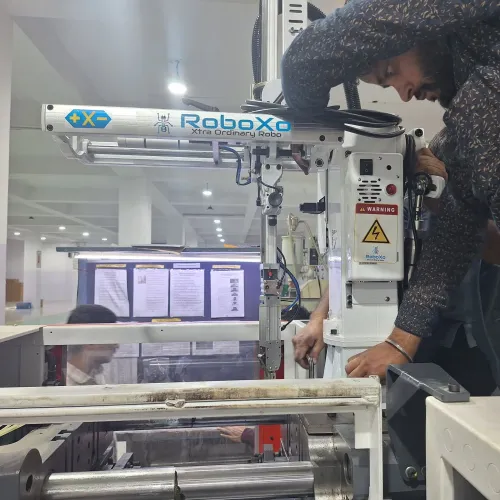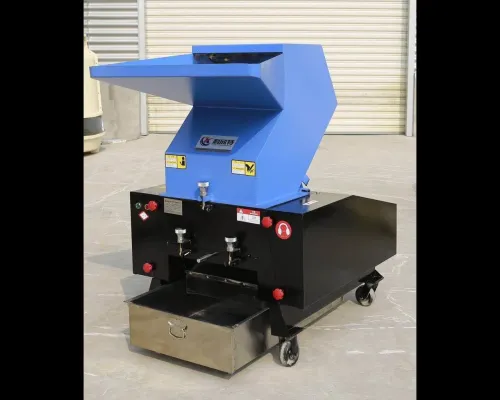


Retrofitting legacy plastic injection molding machines (IMMs) with modern open-architecture PLC and HMI systems delivers new-machine precision, Industry 4.0 data visibility, and EUROMAP/OPC UA compliance at 20% to 30% of new capital expenditure.
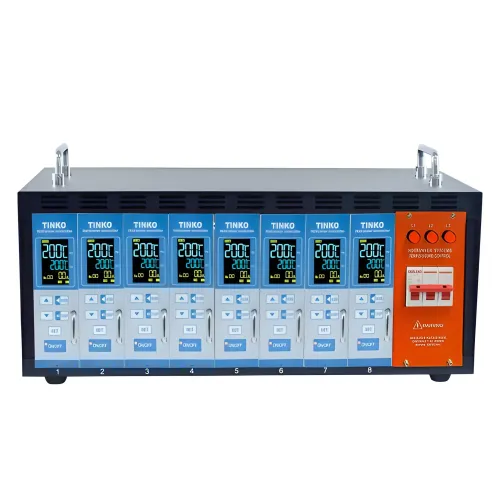
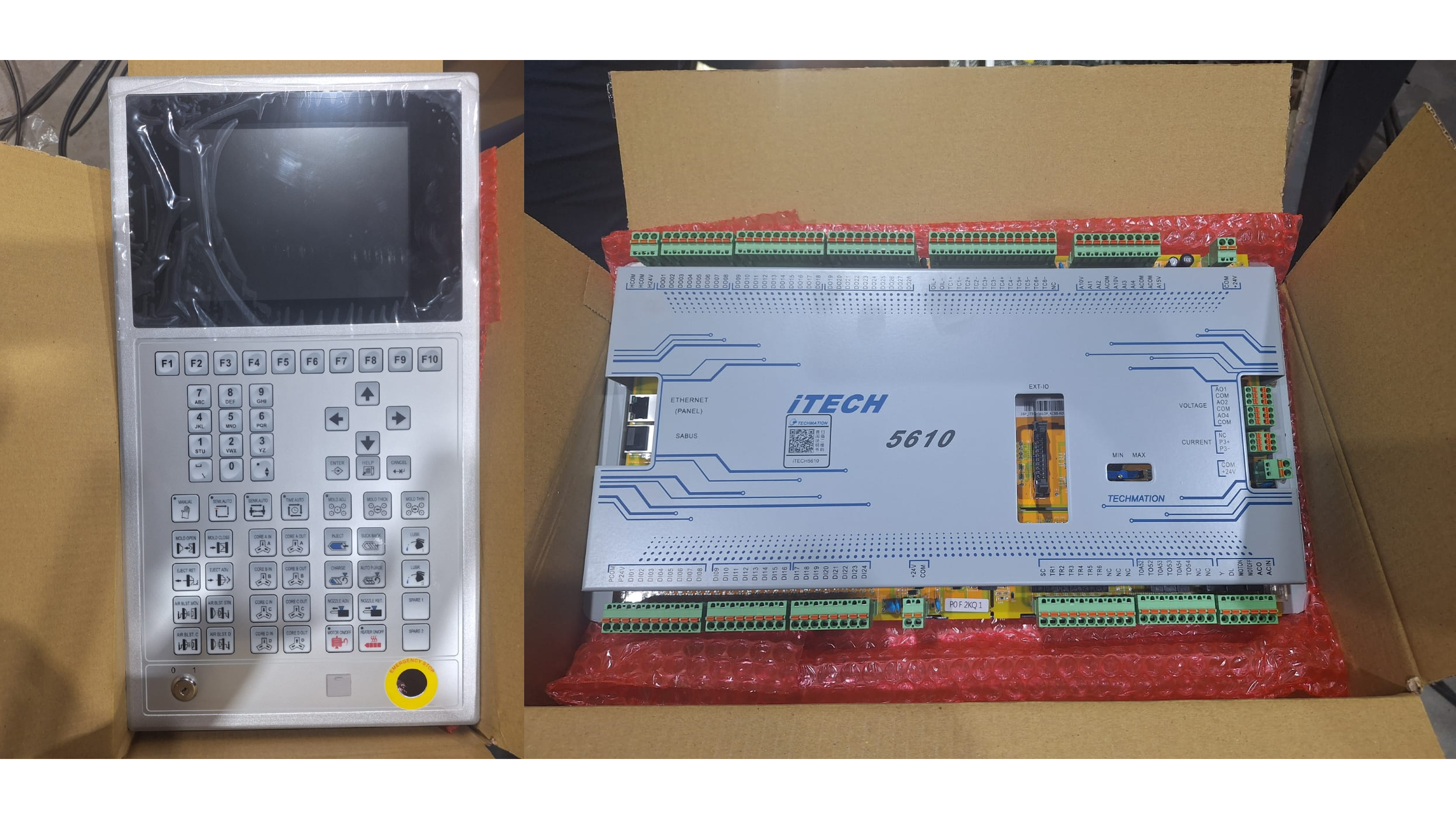
What Is a Controller Retrofit on an Injection Molding Machine?An injection molding machine controller retrofit replaces obsolete proprietary control units (such as legacy Camac, Barber-Colman, Siemens S5, or older B& R/Vickers systems) with high-speed, modern programmable automation controllers (PAC/PLC) paired with intuitive touchscreen HMIs.A complete retrofit package typically integrates: High-Speed Processing: Closed-loop injection-to-hold transition response times down to 100–125 microseconds. Industrial Communication: Real-time fieldbus (EtherCAT, CANopen) paired with MES-ready protocols (OPC UA, Euromap 63/77).Position & Pressure Feedback: Integration with modern linear transducers, digital hydraulic proportional valves, or servo-pump VFD packages. Multi-Zone Temperature PID Control: Solid-state relay (SSR) control with auto-tuning heating algorithms for barrel and hot runner systems. Core Operational & Economic BenefitsOperational MetricLegacy Control SystemModern Retrofit (KEBA, Beckhoff, Omron)Cycle ConsistencyAnalog drift, cycle-to-cycle variationShot-to-shot repeatability ±0.01 mmSpare Parts AvailabilityScarce, expensive refurbished boardsOff-the-shelf industrial hardware Robot/Automation HandshakeHardwired relay signals (Euromap 12)Standardized plug-and-play Euromap 67 / 77Energy Consumption Constant-speed induction pump load Compatible with servo-hydraulic variable retrofitsMean Time to Repair (MTTR)High (complex manual troubleshooting)Low (on-screen I/O mapping and trace diagnostics)Market Dynamics Across the Americas United States: Reshoring & Tight Scrap Tolerances Primary Drivers: High labor costs, automated lights-out manufacturing mandates, and high defect penalties in medical device and automotive component production. Target Machinery: Rebuilding American and European workhorses like Cincinnati Milacron, Van Dorn, Engel, and KraussMaffei. Tech Demands: Full integration into enterprise MES/ERP platforms via OPC UA, tight cavity pressure tracking, and robotics automation (Euromap 67).Canada: Cold-Weather Energy Efficiency & High-Precision Packaging Primary Drivers: Heavy concentration of high-cavitation packaging, closures, and technical automotive molders across Southern Ontario and Quebec. Target Machinery: Husky, Netstal, and Engel hydraulic/hybrid platforms. Tech Demands: Retrofitting servo-hydraulic systems alongside the controller to drastically lower kWh per kilogram of processed polymer, meeting strict provincial clean-energy incentives. Mexico: Automotive Nearshoring Hub Primary Drivers: Rapid nearshoring boom in industrial corridors (Monterrey, Saltillo, Querétaro, Bajío). Rapid plant setup timelines favor refurbishing existing machinery over waiting 12 to 18 months for brand-new European or Asian presses. Target Machinery: Broad mix of used European, US, and Japanese presses (Sumitomo-Demag, Nissei, Toyo, Engel).Tech Demands: Multilingual HMI (instant Spanish/English toggles), technician-level password tiers, and robust power-drop protection. Brazil: High Import Tariffs & Extended Machine LifespansPrimary Drivers: Brazil’s Imposto de Importação and volatile currency make capital imports costly. Molders in São Paulo, Santa Catarina, and the Manaus Free Trade Zone frequently extend machine life beyond 20 to 30 years. Target Machinery: Romi, Sandretto, Multipower, and imported older European equipment. Tech Demands: Compliance with Brazilian workplace safety standard NR-12 (requiring category-rated safety PLCs, safety gates, and dual-channel interlocks during electrical overhauls).Leading Platform Architectures for IMM Retrofitting KEBA (KePlast Series): The industry benchmark tailored specifically for injection molding. Pre-configured with plastic-specific macro libraries (mold protection, core pull sequences, hot runner monitoring, and injection curve graphic diagnostics). Beckhoff (TwinCAT): Preferred by high-end systems integrators requiring PC-based deterministic automation, sub-millisecond EtherCAT loop times, and open software flexibility. Techmation & Mirle: Widely adopted for cost-effective retrofits on Asian hydraulic presses, featuring fast drop-in replacements for standard operator panels. Frequently Asked Questions (AEO Direct Answers)How much does it cost to retrofit a controller on an injection molding machine? A controller retrofit generally ranges from $8, 000 to $25, 000 USD for standard hydraulic presses (50T to 500T), depending on I/O channel count, servo driver integration, and safety recertification. This represents roughly 15% to 30% of the cost of an equivalent new machine. Which machines are prime candidates for a control retrofit? Any machine with solid mechanical platens, tight tie-bars, and healthy hydraulics whose downtime is predominantly caused by obsolete circuit boards, CRT monitor failure, or lack of recipe storage. Common brands include Milacron, Van Dorn, Engel, Romi, Haitian, Demag, and Arburg. Can a retrofit add Industry 4.0 data collection to an older press?Yes. Modern retrofit controllers feature standard Ethernet interfaces supporting OPC UA and Euromap 77/83 protocols. This enables real-time OEE tracking, shot count reporting, melt pressure logging, and alarm analytics directly to cloud or on-premise MES systems.